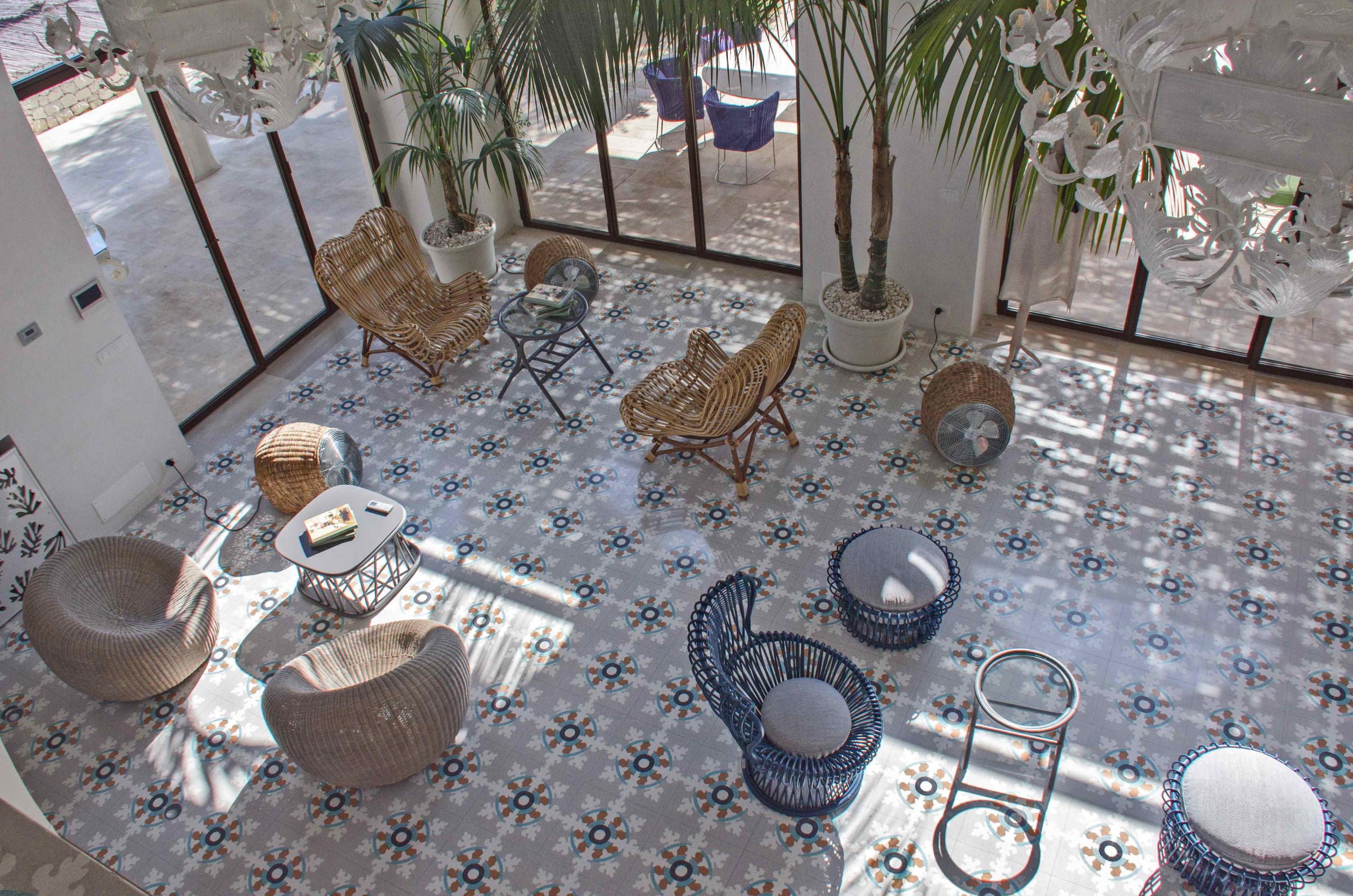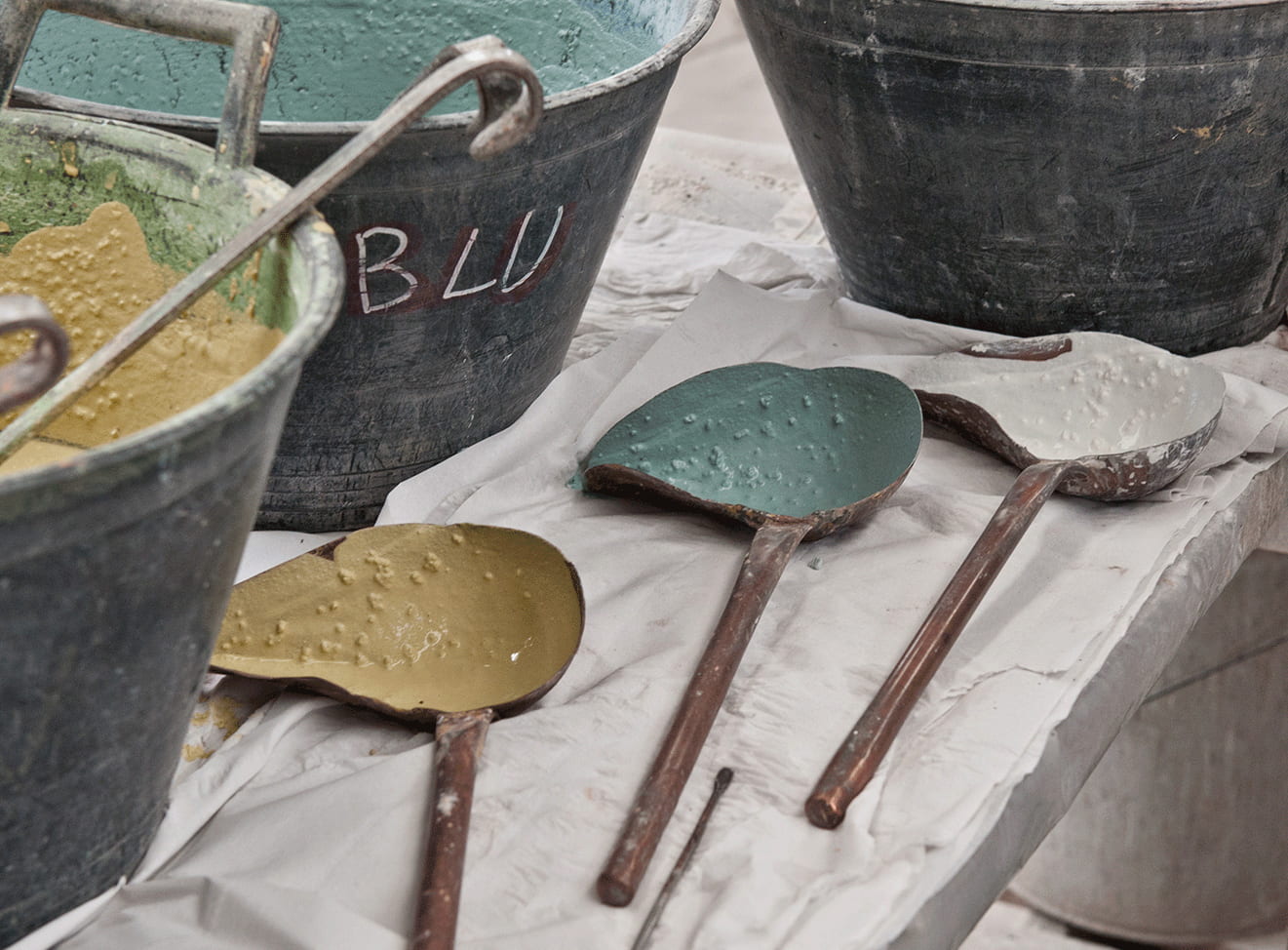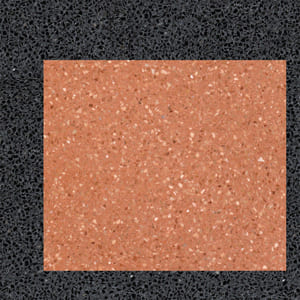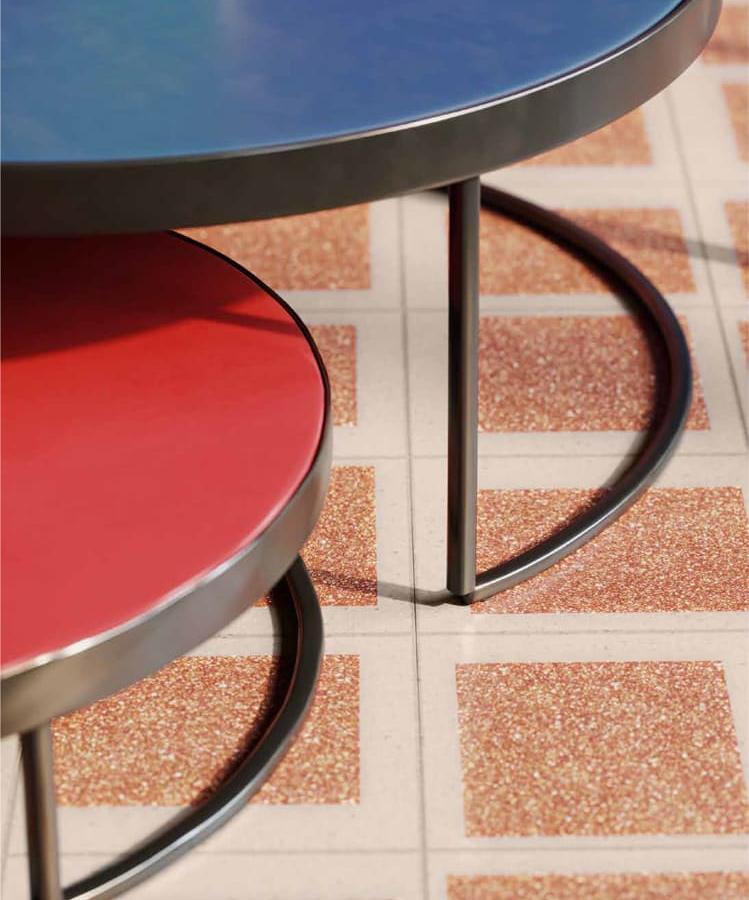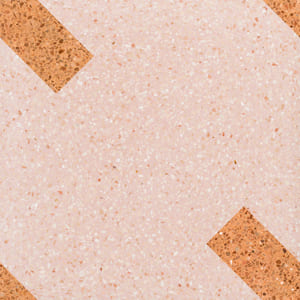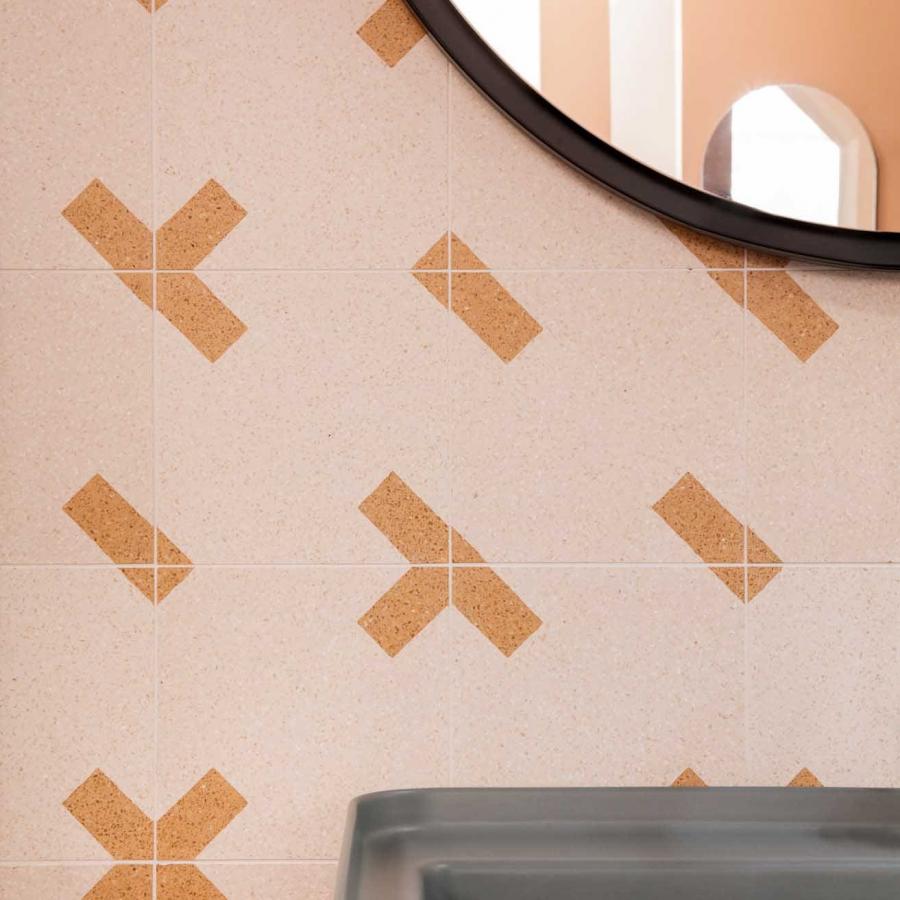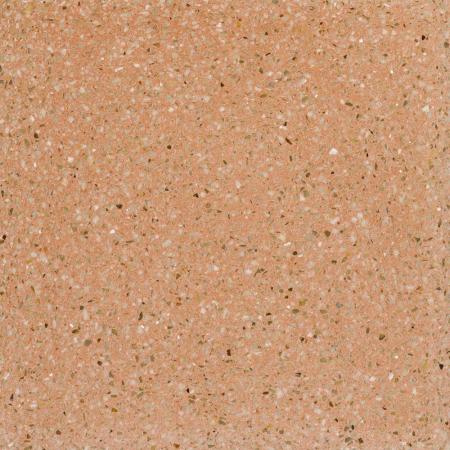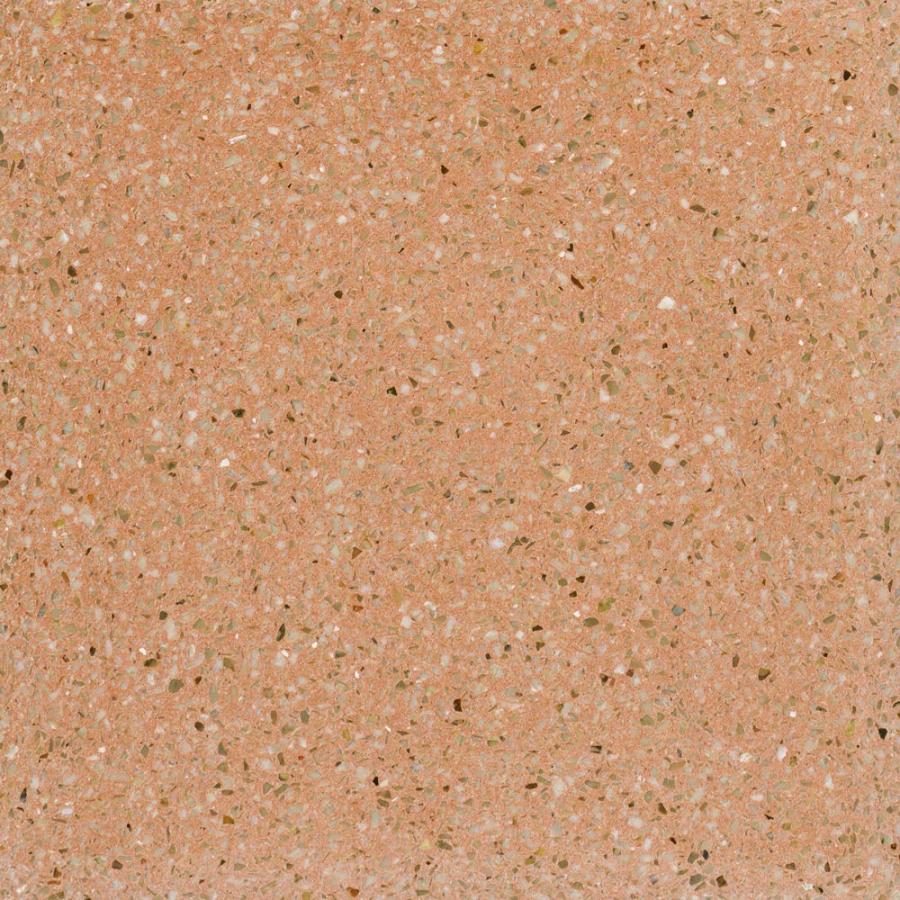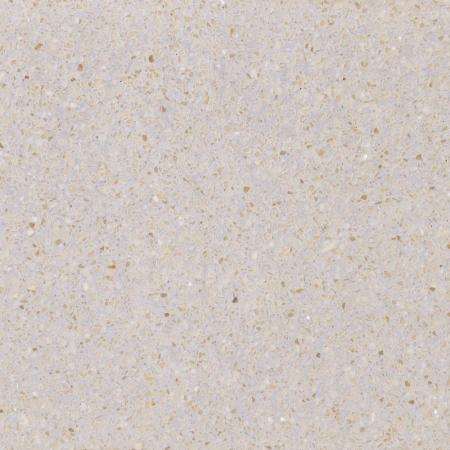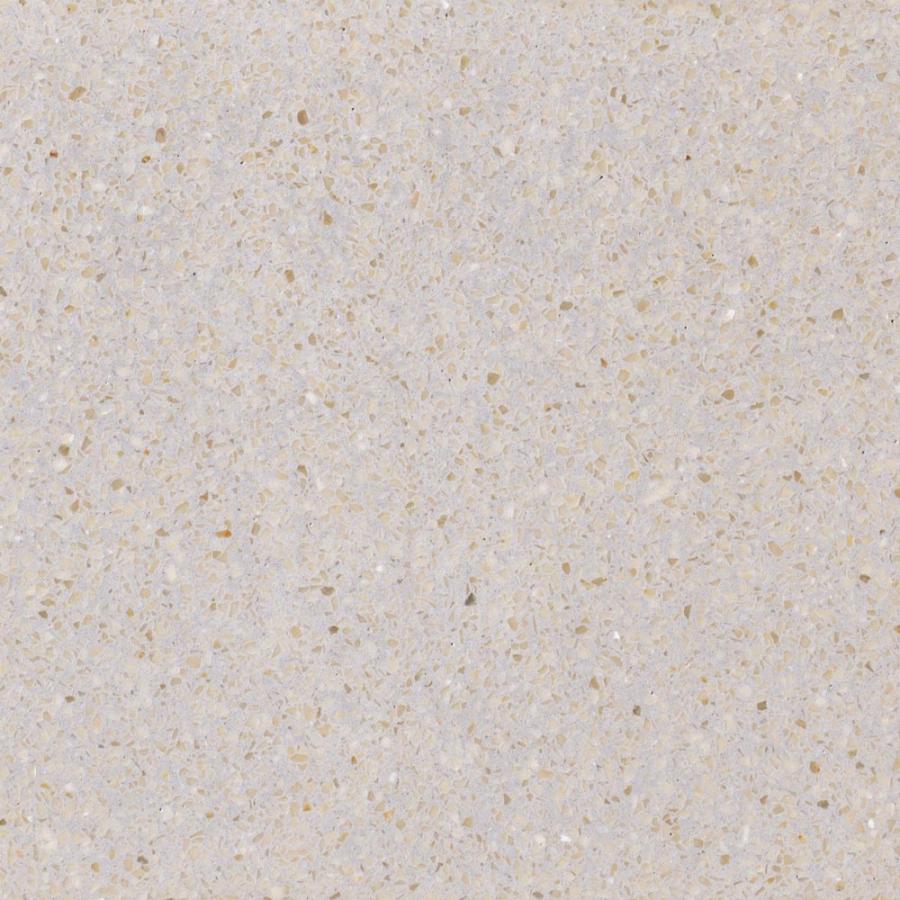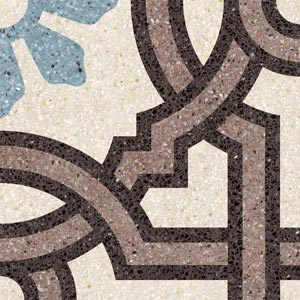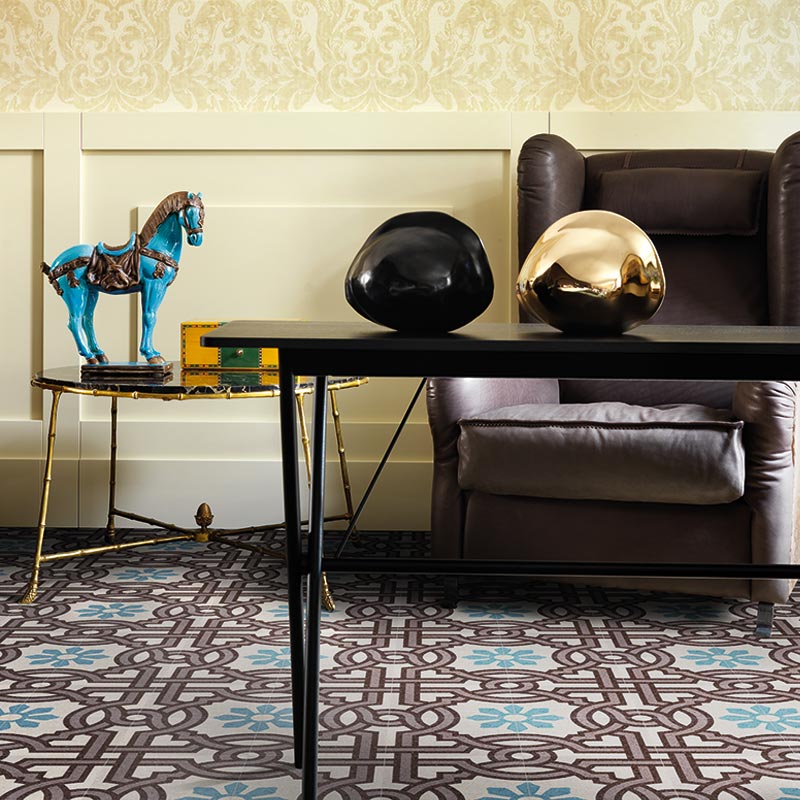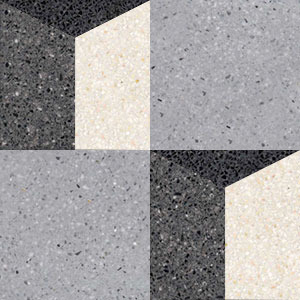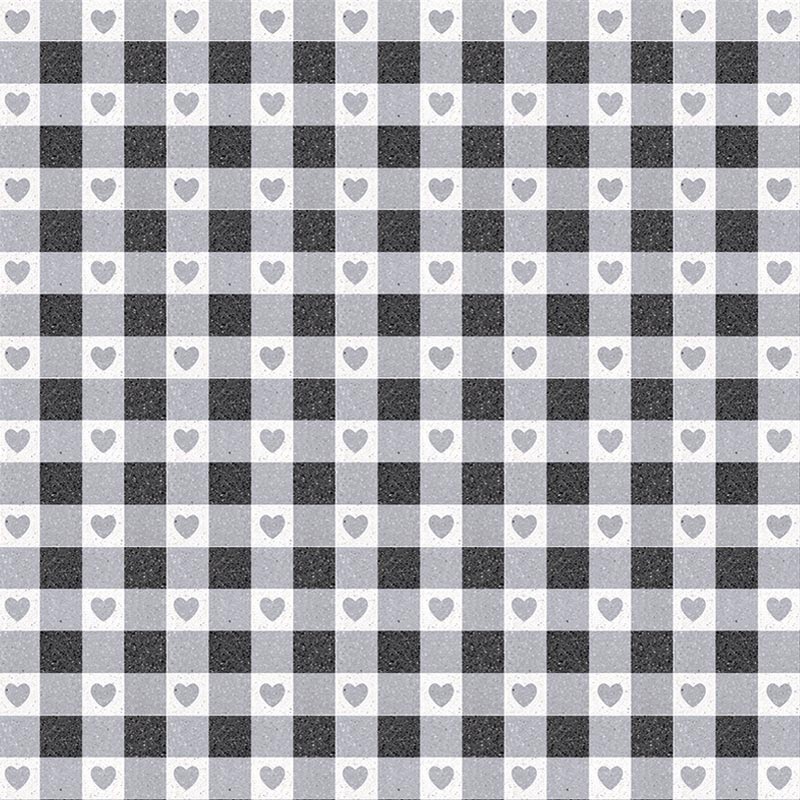
Marble terrazzo, known in Italy as graniglia, is a prized and versatile material, perfect for enriching any space with style and function. In this guide you will find everything there is to know about this remarkable material, with answers to the most common questions and useful links to explore every aspect.

It is made of small marble fragments mixed with cementitious binders. This mix creates a hard-wearing, decorative surface, ideal for floors and wall coverings. Thanks to its beauty and versatility, it is a popular choice in many settings. For more details, visit the page dedicated to marble terrazzo at Mipa Design.
A Little History
Used since Roman times to decorate palaces and villas, and it is still appreciated today for its ability to combine tradition and modernity in design. If you are interested in the history of marble in general, you can visit this Italian Wikipedia page on marble.
Marble terrazzo suits many uses. Let’s explore them together.
Flooring
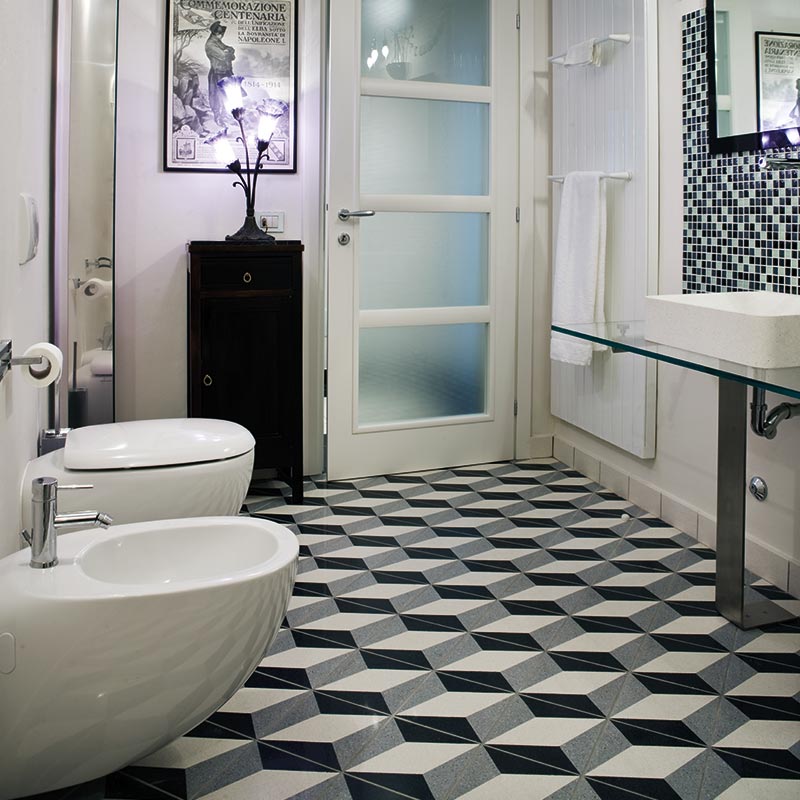
First of all, one of the main uses of marble terrazzo is flooring. This material is perfect for high-traffic areas such as living rooms, kitchens and bathrooms, thanks to its durability and easy maintenance. It can also be used in public spaces such as hotels and restaurants. To see some applications, take a look at the completed projects.
Wall Coverings
Besides floors, it is also ideal for wall coverings, both indoors and outdoors. The variety of colours and textures available lets you create unique, personalised spaces.
Decorations
If you love artistic decoration, it can be used for mosaics and other decorative details. You can combine fragments of different sizes and colours for highly creative results.
There are several types of marble terrazzo, each with its own unique characteristics.
White Marble
For example, white marble terrazzo is highly valued for its elegance and luminosity. It is perfect for creating refined, clean spaces.
Coloured Versions
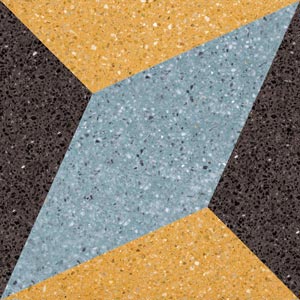
If you are after a touch of colour instead, it is available in a wide range of shades, from black to red, from green to blue. This lets you personalise floors and wall coverings to your taste.
Three different materials are sold under the name terrazzo. They can look alike in a photo, but they are not made in the same way.
Real Marble Terrazzo
Marble powder and grains, white cement and natural oxides, with no synthetic binders. This is what Mipa makes: a through-body tile, so the marble you see on the surface runs through the whole thickness. All Mipa collections are 100% resin-free, and the material is non-combustible, certified Class A1. A worn surface can be re-ground and re-polished in situ.
Resin Terrazzo
Marble chips set in a resin binder instead of cement.
Terrazzo-Look Porcelain
A ceramic tile fired in a kiln, with a terrazzo pattern printed on the surface. It contains no marble.
To tell them apart, ask for the composition and the binder, and look at the edge of a sample: in a through-body tile the marble grains are visible on the edge as well. Sample tiles are available from the Mipa shop or on request. See all terrazzo tiles in real marble.
Wondering what floor marble terrazzo goes with? The answer is simple: almost any! Marble terrazzo pairs perfectly with wood, ceramic and natural stone.
For example, in a modern white space it can be set against dark wood floors for a contrasting, sophisticated effect. For more ideas on how to pair marble terrazzo, you can read this interesting Interior Design article.
Durability and Strength
Marble terrazzo is extremely durable and resistant to wear, impact and weather. It is ideal for floors subject to heavy traffic.
Easy Maintenance
Another great advantage is its easy maintenance. Simple regular cleaning is enough to keep marble terrazzo in perfect condition for many years. Find the best tips for preserving it over time in this very useful maintenance guide.
Aesthetics and Versatility
Moreover, this material offers a timeless beauty and a versatility that suits different design styles, from classic to contemporary.
Preparing the Substrate
Before installing it, it is essential to prepare the substrate well: it must be solid, flat, clean, cured and dry (for cement screeds, at least 7 days of drying for every centimetre of thickness), free of dust and friable parts, so as to ensure good adhesion.
Laying
Installation is carried out with a flexible cementitious adhesive of class C2 (S1), such as Mapei KERAFLEX MAXI S1, specified in the MIPA installation guide, applied by double buttering (double-sided bonding) to obtain a full bed without air voids, essential for high-traffic floors or for tiles to be ground after laying. Given the particular surface texture of the tiles, a pre-grouting protective, such as Mapei UltraCare Grout Release, is applied before grouting, choosing a tone-on-tone grout. Once laid, the surface can be ground and polished to achieve the desired effect, and finally protected with a water- and oil-repellent treatment.
What floor does it go with?
It goes well with several types of floor, such as wood, ceramic and natural stone. The choice depends on the style of the space and the aesthetic effect you want.
What is marble terrazzo used for?
It is mainly used for floors and wall coverings, but also to make artistic decorations and mosaics.
Subscribe to our newsletter: collections, projects and inspiration from the world of Mipa.
Subscribe to our newsletter for news, collections and catalogues, or continue straight to the download.